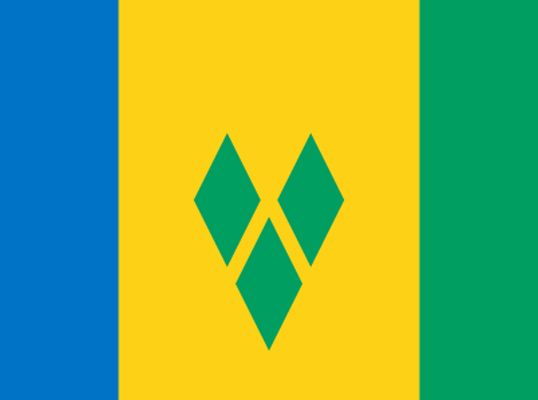
A Short History Of St. Vincent and the Grenadines
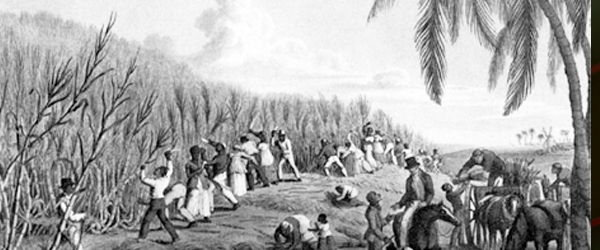
St. Vincent was possibly visited by Columbus in 1498 and named by him. Carib Indians aggressively prevented European settlement on St. Vincent until the 18th century. African slaves (whether shipwrecked or escaped from St Lucia and Grenada and seeking refuge in St. Vincent) intermarried with the Caribs and became known as Black Caribs.
Beginning in 1719, French settlers cultivated coffee, tobacco, indigo, cotton and sugar on plantations worked by African slaves. In 1763, St. Vincent and the Grenadines became a British possession under the Treaty of Paris. In 1779 the territory was seized by the French, but in 1783 restored to Britain under the Treaty of Versailles. Conflict between the British and the black Caribs continued until 1796, when General Abercrombie crushed a revolt. More than 5,000 black Caribs were eventually deported to Roatan, an island off the coast of Honduras.
In 1834 slavery was abolished. The resulting labor shortages on the plantations attracted Portuguese immigrants in the 1840s and east Indians in the 1860s. Conditions remained harsh for both former slaves and immigrant agricultural workers, as depressed world sugar prices kept the economy stagnant until the turn of the century.
In 1871 the group became part of the Windward Islands Colony and in 1956 a member of the Federation of the Windward Islands. In 1958 St. Vincent joined the Federation of the West Indies and in 1969 it attained full internal self government. Finally in 1979 it became an Independent Sovereign State within the Commonwealth.
From 1763 until its independence in 1979, Saint Vincent and the Grenadines passed through various stages of colonial status under the British. A representative assembly was authorised in 1776, Crown Colony government was installed in 1877, a legislative council was created in 1925, and universal adult suffrage was granted in 1951.
During the period of its control of St. Vincent and the Grenadines, the British made several unsuccessful attempts to affiliate the island with other Windward Islands. This would have simplified Britain’s control over the region through a unified administration. In the 1960s, several regional islands under British control, including St. Vincent, also made an independent attempt to unify. The unification was to be called the West Indies Federation and was driven by a desire to gain freedom from British rule. The attempt collapsed in 1962.

St. Vincent was granted “associate statehood” status by Britain on October 27, 1969. This gave St. Vincent complete control over its internal affairs but was short of full independence. On October 27, 1979, following a referendum under Milton Cato, St. Vincent and the Grenadines became the last of the Windward Islands to gain independence. Independence came on the 10th anniversary of Saint Vincent’s associate statehood status.
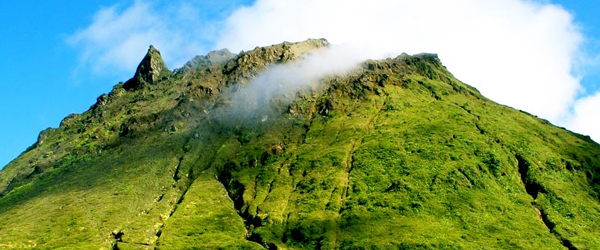
Natural disasters have featured in the country’s history. In 1902, La Soufrière volcano erupted, killing 2,000 people. Much farmland was damaged, and the economy deteriorated. In April 1979, La Soufrière erupted again. Although no one was killed, thousands had to be evacuated, and again there was extensive agricultural damage. In 1980 and 1987, hurricanes compromised banana and coconut plantations. 1998 and 1999 also saw very active hurricane seasons, with Hurricane Lenny in 1999 causing extensive damage to the west coast of the island.